The device includes all sorts of cool hardware, including a high resolution color touch-sensitive LCD display, WiFi and BlueTooth connectivity, USB and microphone/stereo headphone jacks, a built-in microphone and stereo speakers, an aimable CCD camera, an FM tuner, and two SD-compatible flash card slots. The base software includes a very usable web browser, an email client, a camera, an FM radio, and an Internet radio. I recently added a BlueTooth keyboard. Other accessories I may try in the future include a navigation kit that gives the unit GPS capabilities.

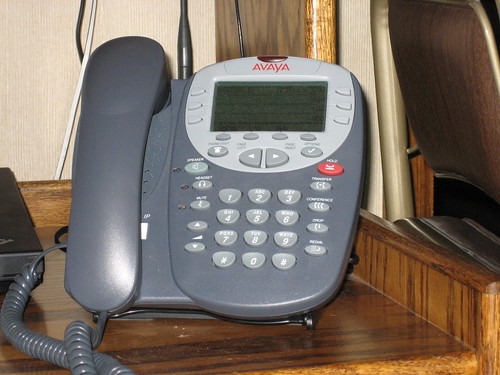
In Asterisk, WiFi, HomePlug, and an Avaya SIP Phone, I talked about the Asterisk PBX in the secure underground Digital Aggregates Corporation computer center (it's a Dell PC in the basement). I've successfully used a number of SIP endpoints with the PBX, including an Avaya 4610SW SIP hardphone and several PC-based SIP softphones. I've wanted a mobile WiFi SIP phone to use around the house and office but I wasn't terribly impressed with either the price or the quality of any of commercial options.
I recently installed the third-party (and quite experimental) Internet Communications Software Update for the N800 from Maemo which includes a SIP stack. It extends the existing internet capabilities of the N800 to include a SIP softphone. So far, initial testing has achieved an occasional two-way talk path. Debugging continues, and it's entirely possible that this is pilot error on my part. Still, I am much encouraged by the prospect of a pocket sized universal internet appliance, something I've sought ever since I used my first Palm PDA years ago.
In If Java is the new Cobol, is C++ the new assembly? I talked about how I thought Java was really underutilized in the U.S. as compared to Europe and Japan in using it as a platform for embedded applications. I made an economic argument based on cost of goods sold, not because Java is the hip thing to be using. (I'm told by those in the know that Ruby On Rails is the hip thing to be using.)
I'm using this little project as an excuse to play with Java Micro Edition (ME) in the Connected Device Configuration (CDC) by installing the C Virtual Machine (CVM) package for the N800 from the open source PhoneMe project. About all I've done so far is get the provided test suite to run successfully, and learn that you can't run applications on the N800 from the SD flash card. Still, it's a step in the right direction.
Hand-held networked universal appliances have been a staple in science fiction. I think they're near to becoming a commercial reality today. Mobile phones are close. Devices like the N800 are closer.